%2Ffit-in%2F250x250%2Fguide_websites%2F2937%2Fimages%2F1769221981372unnamed.jpg&w=1920&q=100)
/users/16bf34ae-64c0-48b3-9805-44ccd05b6a8c/ratecard/3c9d713fad931d85d5777ec999e029b5-mkro7hpy.jpg)
%2F300x300%2Fusers%2F16bf34ae-64c0-48b3-9805-44ccd05b6a8c%2Fratecard%2F3c9d713fad931d85d5777ec999e029b5-mkro7hpy.jpg&w=256&q=75)
%2F300x300%2Fusers%2F16bf34ae-64c0-48b3-9805-44ccd05b6a8c%2Fimages%2Fredfish-fishing-trip-texas-2448.jpg&w=256&q=75)
%2F300x300%2Fusers%2F16bf34ae-64c0-48b3-9805-44ccd05b6a8c%2Fimages%2Ffishing-fun-in-tx-2440.jpg&w=256&q=75)
%2F300x300%2Fusers%2F16bf34ae-64c0-48b3-9805-44ccd05b6a8c%2Fimages%2Fsuccessful-fishing-port-isabel-2523.jpg&w=256&q=75)
%2F300x300%2Fusers%2F16bf34ae-64c0-48b3-9805-44ccd05b6a8c%2Fimages%2Ffishing-adventure-in-tx-2591.jpg&w=256&q=75)
%2F300x300%2Fusers%2F16bf34ae-64c0-48b3-9805-44ccd05b6a8c%2Fimages%2Ffishing-port-isabel-2599.jpg&w=256&q=75)
%2F300x300%2Fusers%2F16bf34ae-64c0-48b3-9805-44ccd05b6a8c%2Fimages%2Fsnook-fishing-tx-2496.jpg&w=256&q=75)
%2F300x300%2Fusers%2F16bf34ae-64c0-48b3-9805-44ccd05b6a8c%2Fimages%2Ffishing-adventure-tx-2442.jpg&w=256&q=75)
%2F300x300%2Fusers%2F16bf34ae-64c0-48b3-9805-44ccd05b6a8c%2Fimages%2Ffishing-fun-in-texas-2449.jpg&w=256&q=75)
%2F300x300%2Fusers%2F16bf34ae-64c0-48b3-9805-44ccd05b6a8c%2Fimages%2Fangler-fishing-port-isabel-2439.jpg&w=256&q=75)
%2F300x300%2Fusers%2F16bf34ae-64c0-48b3-9805-44ccd05b6a8c%2Fimages%2Ffishing-adventure-port-isabel-2407.jpg&w=256&q=75)
SPI Afternoon Flats Fishing Captain Phil Hill
 South Padre Island
What you will be catching:
 Redfish
 Sea Trout
 Snook
Snook
- Five-hour afternoon flats fishing targeting redfish, trout, and snook
- 18-foot Shallow Sport vessel accesses protected Laguna Madre waters
- Family-friendly trip includes equipment with Texas license required
Trip Pricing and Availabilities:
Half Day Afternoon Fishing Trip in South Padre Island
When the morning crowds head back to shore and the heat starts to build, that's when the afternoon magic happens on South Padre Island's flats. Captain Phil Hill knows this better than anyone, and his half-day afternoon trips are designed for anglers who want to experience the legendary Laguna Madre in perfect conditions. Starting at 1:00 PM, you'll have five solid hours to work the shallow, gin-clear waters where redfish cruise the grass beds and speckled trout ambush bait along the drop-offs. This isn't about fighting crowds or racing other boats – it's about quality fishing time in some of Texas' most productive inshore waters. Whether you're bringing the kids for their first taste of flats fishing or you're a seasoned angler looking for a relaxed afternoon on the water, this trip delivers the goods without the chaos.
What to Expect on the Water
The beauty of afternoon fishing in the Laguna Madre is all about timing and positioning. While other anglers are calling it a day, Captain Phil's launching his 18' Shallow Sport flats boat into water that's warming up just right for active fish. The protected bay system means you're fishing in calm conditions – no fighting big waves or spray in your face. Just you, up to one other angler, and thousands of acres of prime flats fishing territory. The boat's designed specifically for this kind of work, with a shallow draft that lets you get into those skinny-water spots where the big fish feel safe. You'll drift over turtle grass beds, work along oyster reefs, and sight-cast to fish you can actually see – that's the real thrill of flats fishing. Captain Phil provides all the tackle you'll need, from lightweight spinning gear perfect for speckled trout to heavier setups when the redfish are being stubborn. Live bait, artificials, whatever the conditions call for – it's all covered. The only thing you need to bring is a valid Texas fishing license and whatever snacks and drinks you want for the trip.
Flats Fishing Techniques
Flats fishing is a whole different game from deep-water angling, and that's what makes it so addictive. In the shallow waters around South Padre, you're often fishing in less than four feet of water, which means stealth and presentation are everything. Captain Phil will position the boat using his trolling motor – no loud outboard to spook the fish – and you'll work areas methodically. Sometimes it's sight fishing, where you're actually watching redfish tailing in the shallows or following their wakes as they push through the grass. Other times it's working structure like oyster bars or creek mouths where the current brings baitfish and the predators follow. The tackle is light and responsive – 7-foot medium-action rods paired with 2500-series reels spooled with 15-pound braid. When you're using live shrimp or finger mullet, the presentation has to be natural – no heavy sinkers or flashy rigs that scream "artificial." Artificial lures work great too, especially soft plastics on 1/4-ounce jigheads or topwater plugs when the fish are aggressive. The key is matching your approach to what the fish are doing that particular afternoon, and that's where Captain Phil's local knowledge really shines.
Species You'll Want to Hook
Snook are the crown jewel of South Padre Island flats fishing, and afternoon trips offer some of the best opportunities to connect with these powerful gamefish. These guys love structure – you'll find them hanging around dock pilings, bridge supports, and mangrove shorelines where they can ambush passing baitfish. Snook are incredibly temperature-sensitive, which makes the warming afternoon waters perfect for getting them active. They typically run 24 to 32 inches in these waters, with the occasional trophy pushing over the slot. What makes snook so special is their fighting ability – they'll make powerful runs toward structure and aren't afraid to jump when hooked. The best part about targeting snook in the afternoon is they're often feeding aggressively as the sun angle changes, creating shadows where they love to hide.
Sea trout, or speckled trout as the locals call them, are the most reliable fish you'll encounter on these flats. They're active feeders throughout the day, but the afternoon hours can be phenomenal when conditions are right. These fish relate to grass beds, drop-offs, and areas where the bottom changes from sand to shell. Most of the trout you'll catch run 15 to 20 inches, with keeper fish being anything over 15 inches. What's great about speckled trout is they school up, so when you find one, there are usually more in the area. They're also perfect for beginners because they're aggressive biters and don't require super finesse techniques. Live shrimp under a popping cork is deadly effective, but they'll also smash soft plastic baits worked slowly along the bottom.
Redfish are the heart and soul of Texas flats fishing, and the afternoon bite can be outstanding when these copper-colored bruisers move into the shallows to feed. Reds are structure-oriented fish that love oyster reefs, grass beds, and shallow flats where they can root around for crabs and shrimp. The slot-sized fish typically run 20 to 28 inches, but don't be surprised if you hook into an over-slot bull red that'll test your drag system. What makes redfish so exciting is their power – they make long, steady runs and use their broad tails to fight you every inch of the way. During the afternoon hours, they're often feeding in water so shallow their backs are exposed, which creates some of the most visual fishing you'll ever experience. The sight of a big red's tail waving above the surface as it feeds is something that'll stick with you long after the trip is over.
Time to Book Your Spot
Captain Phil Hill's afternoon flats trips represent everything
Learn more about the species
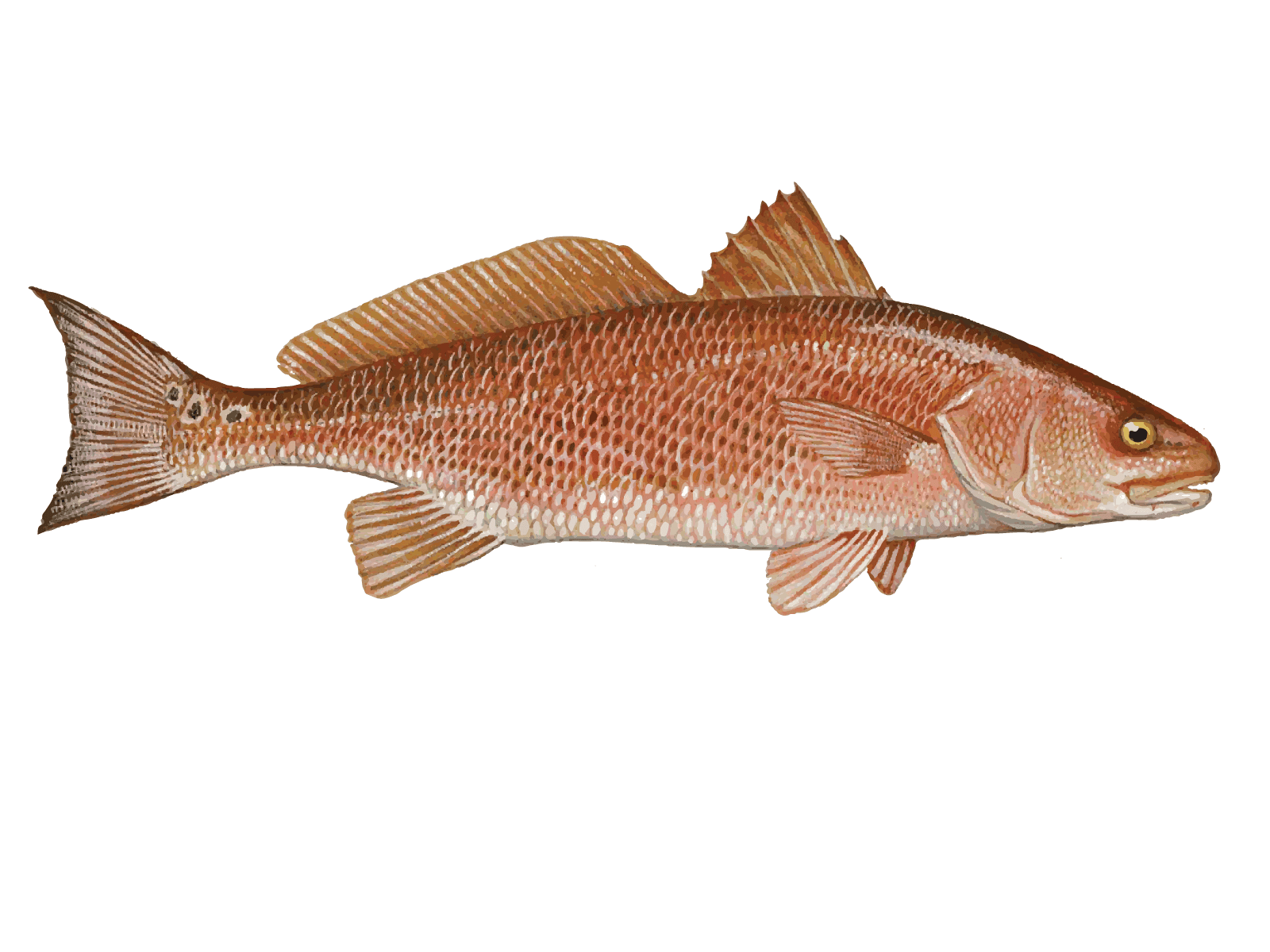
Redfish
Redfish are the stars of our shallow water fishing, cruising the flats in 1-4 feet of water where you can often see their copper backs and that distinctive black spot near the tail. They range from schoolie-sized 18-24 inchers up to hefty 30+ inch bulls that'll test your tackle. Best action happens year-round, but spring and fall are peak times when they're most active. What makes reds so popular is their incredible fight - they use that broad tail to make powerful runs and never give up easy. They're also great eating with mild, sweet meat. The real thrill is sight fishing to them on clear days. Local trick: when you spot a red, cast well ahead of where it's heading and let your bait settle. They spook easily, but a patient approach usually pays off with explosive strikes.
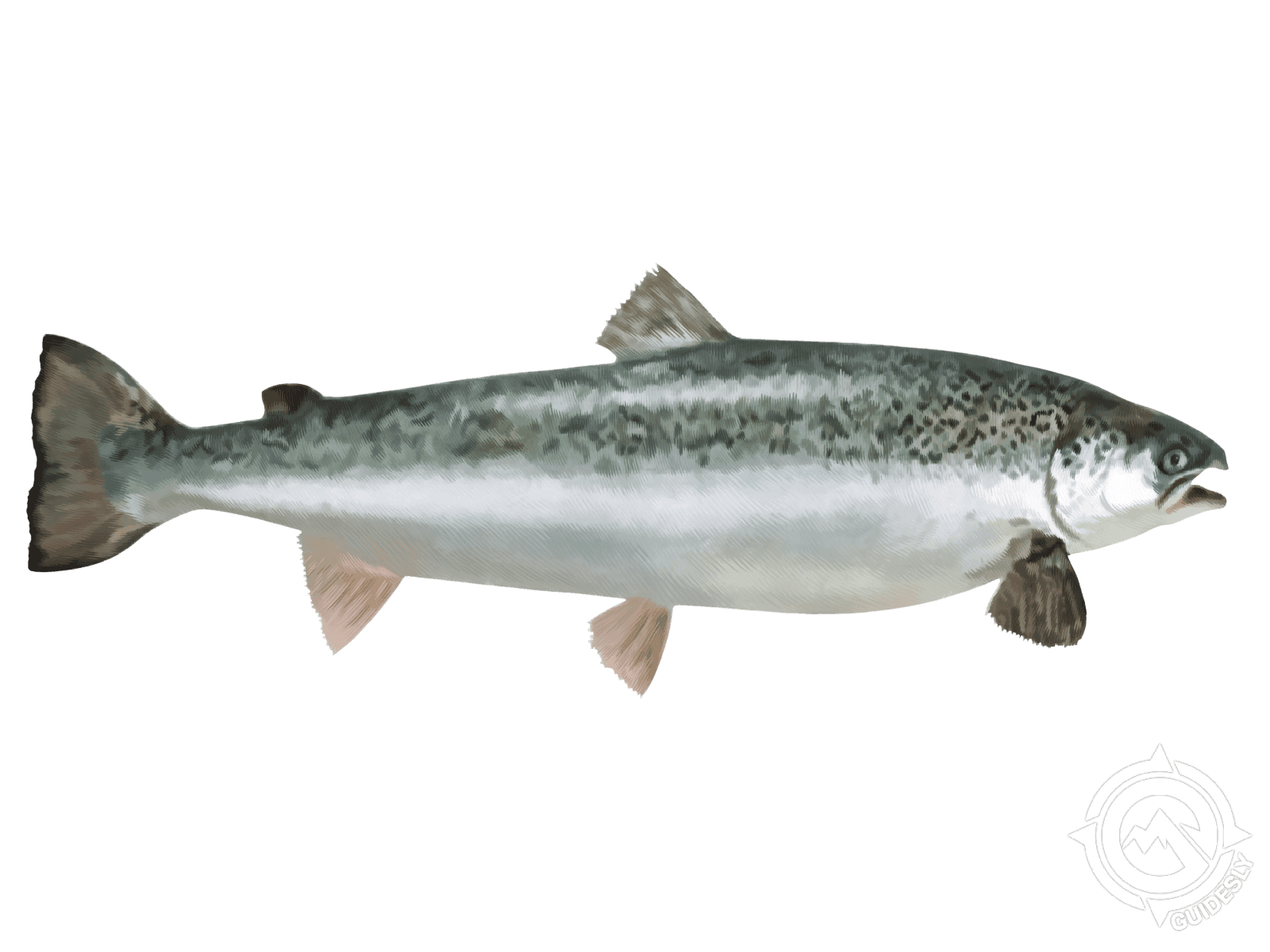
Sea Trout
Speckled Trout are the bread and butter of our flats fishing here. They typically run 14-20 inches with some larger fish hitting 24+ inches during cooler months. You'll find them cruising grass beds and sandy potholes in 2-6 feet of water, especially around dawn and dusk. Spring through fall offers the most consistent action, but winter can produce some of the biggest trout of the year. What guests love about specks is how willing they are to bite - they're aggressive feeders that'll hit both live bait and artificials. The fight is steady and fun, plus they make excellent table fare with that white, flaky meat. My go-to tip: look for nervous water or slight surface disturbances over the grass. When trout are feeding, they create subtle ripples that give away their location.
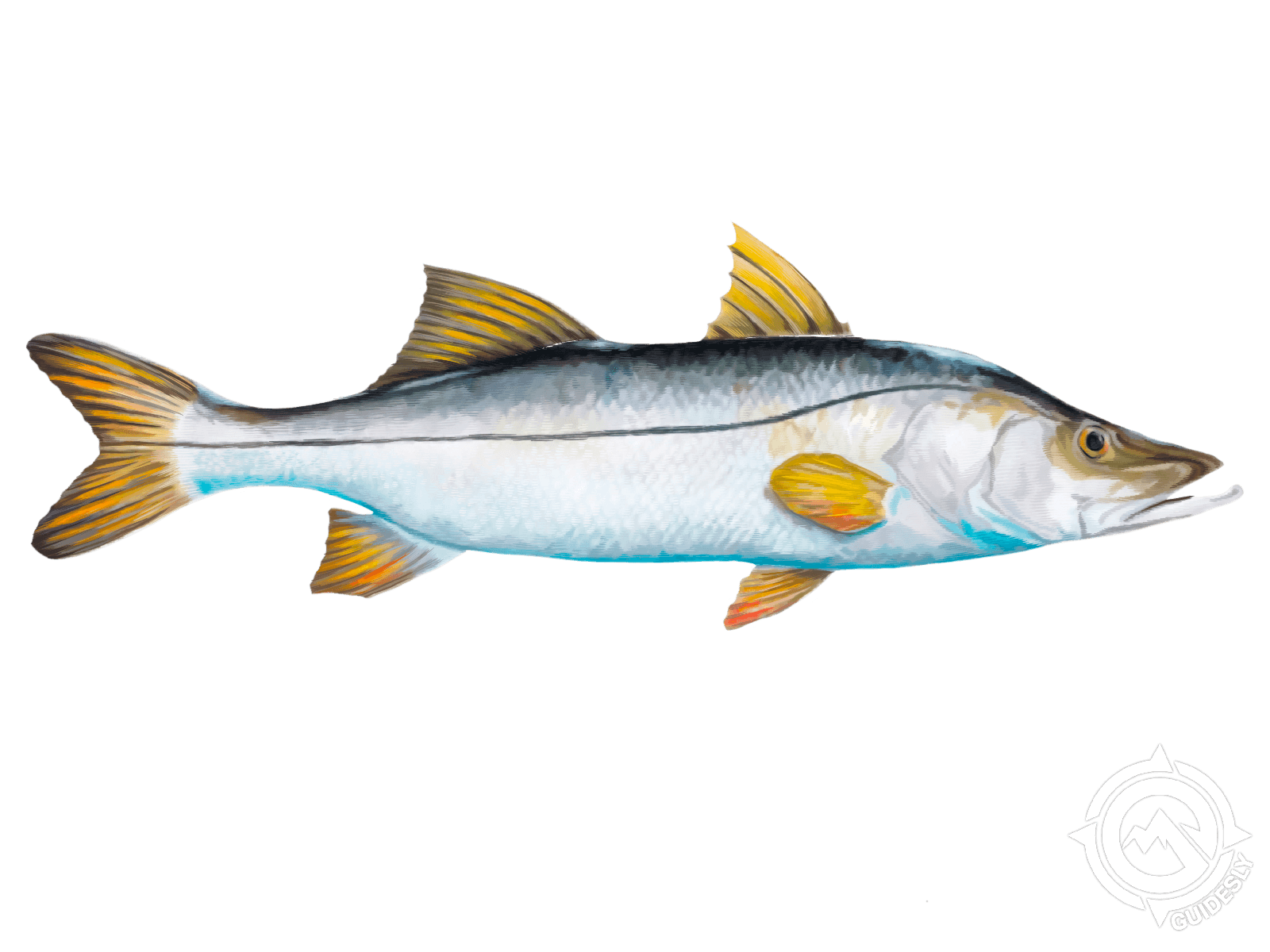
Snook
Snook are aggressive predators that hang around mangroves, docks, and structure in our shallow waters. Most run 18-28 inches here in the Laguna Madre, but bigger ones push into the 30+ inch range. They're ambush feeders with serious speed - that wide tail gives them explosive power when they strike. Best fishing happens around dawn and dusk when they're actively hunting the flats for shrimp and baitfish. What makes snook special is their fight - they'll jump, run to cover, and test your drag like few other inshore fish. The meat is white, flaky, and some of the best eating around. Pro tip: cast just past the structure and work your lure back toward it slowly. Snook love to slam baits right at the edge of cover, so be ready for that sudden strike.
About the Shallow Sport
%2F%2Fusers%2F16bf34ae-64c0-48b3-9805-44ccd05b6a8c%2Fvehicle_picture%2F25bd53ae75a3f999a2221aba2bce3957-mkrnc79f.jpg&w=1920&q=75)
Vehicle Guest Capacity: 3
Manufacturer Name: Suzuki
Maximum Cruising Speed: 50
Number of Engines: 1
Horsepower per Engine: 140